The Arts Society Paris Programme 2023-2024
These illustrated lectures are delivered in English by leading European speakers, all experts in their fields.
All lectures start at 14:00 CET unless otherwise stated.
Lectures are held at:
Théâtre du Ranelagh
5 Rue des Vignes
75016 Paris
Reduced mobility entrance at 2 bis rue des Maronniers.
Metro: La Muette | RER C: Boulainvilliers | Bus: 52, 22
Due to the current COVID-19 restrictions, the Arts Society Paris will hold our meetings at the Théatre du Ranelagh under strict hygiene conditions. Additional talks may be offered by Zoom.
Guests are welcome to attend these lectures. The lectures are free to members of PADFAS and to members of The Arts Society. Other guests may attend for a fee of 15€: contact paris@theartssociety.org for details.
Click on the lecturer’s name to see more information (if available)
Thursday 12th October 2023
14:00 ANNUAL GENERAL MEETING
The convocation to the AGM will be sent individually to members.
14:30 FROM DOWNTON TO GATSBY
For the series and film Downton Abbey, Andrew was commissioned to make many jewels for the main characters and this inspired him to create a talk based on this unique period. Jewellery and Fashion are often seen as two entirely separate and distinct fields of design, but this is very far from the case. In his talk, Andrew guides you through the extraordinary decades and events between 1890 and 1929, where the great couturiers collaborated with the finest of jewellers to produce jewels and clothes of outstanding quality and glittering opulence. Along with this, he illustrates the clients and patrons who commissioned the jewels and shows how they were worn with their sumptuous gowns.
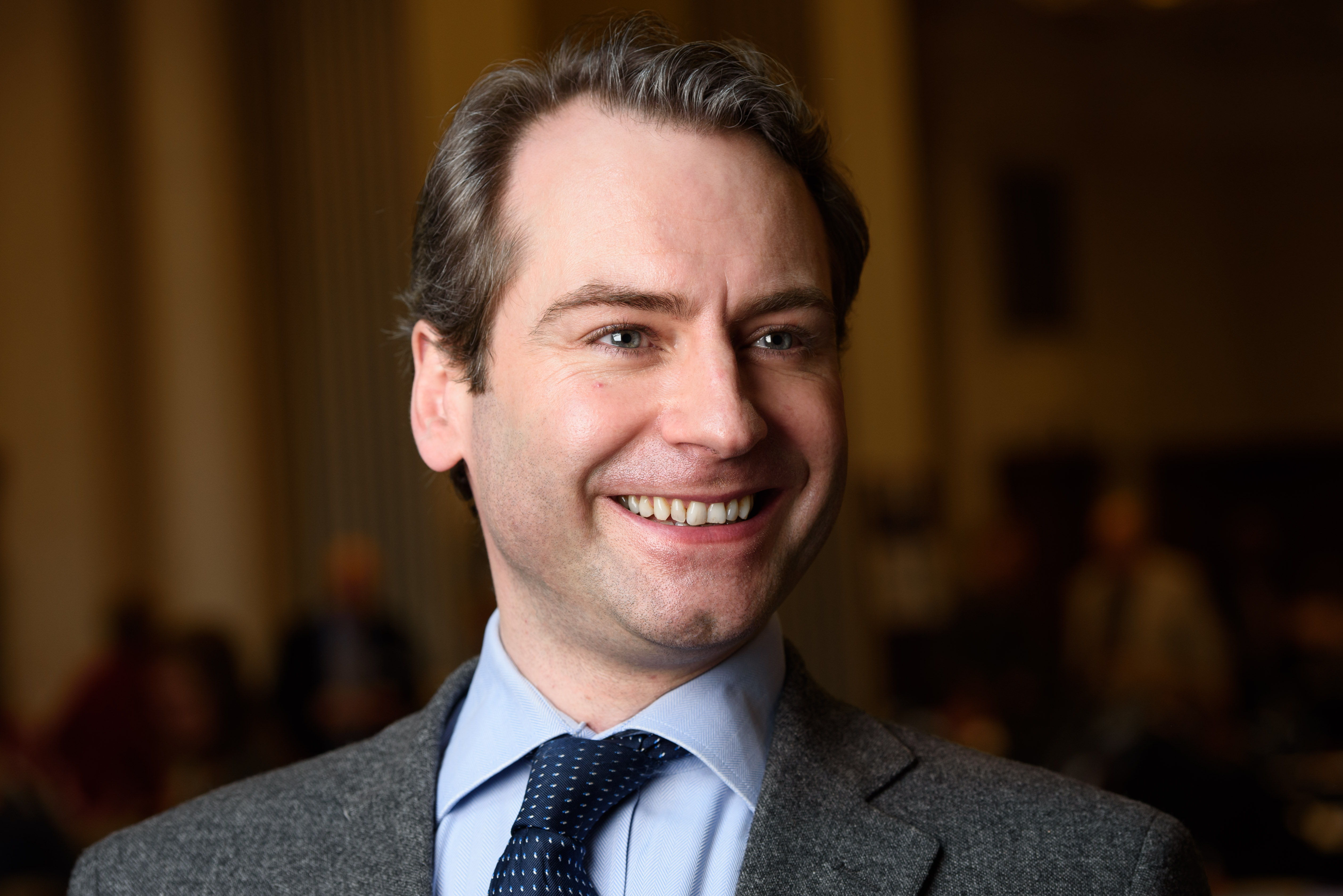
by Andrew Prince
Andrew Prince has had a passion for jewellery since he was a small child. In 1980, when he was nine, Andrew’s mother took him to the Princely Magnificence exhibition at the V&A, exhibiting Renaissance jewels dating from 1500 to 1630. Dazzled by the splendour and opulence of the jewels on show, Andrew decided then and there that creating jewellery was what he wanted to devote his life to.
In 2002, the V&A commissioned a collection of jewels to accompany the resplendent Tiaras, Past and Present exhibition which became one of their most popular exhibits. The exposure gained by the show then led to Andrew’s jewellery appearing in film.
In 2005, he was asked to make tiaras and jewellery for Mrs Henderson Presents starring Judy Dench. In 2009, pieces were commissioned for The Young Victoria starring Emily Blunt and Miranda Richardson. In 2012, he was chosen by the creators of Downton Abbey to supply a large collection of jewellery for the third series.
Thursday 16th November 2023
“FIRST CATCH A SQUIRREL…” HISTORICAL MATERIAL AND TECHNIQUES OF PAINTING, 15th – 18th CENTURY
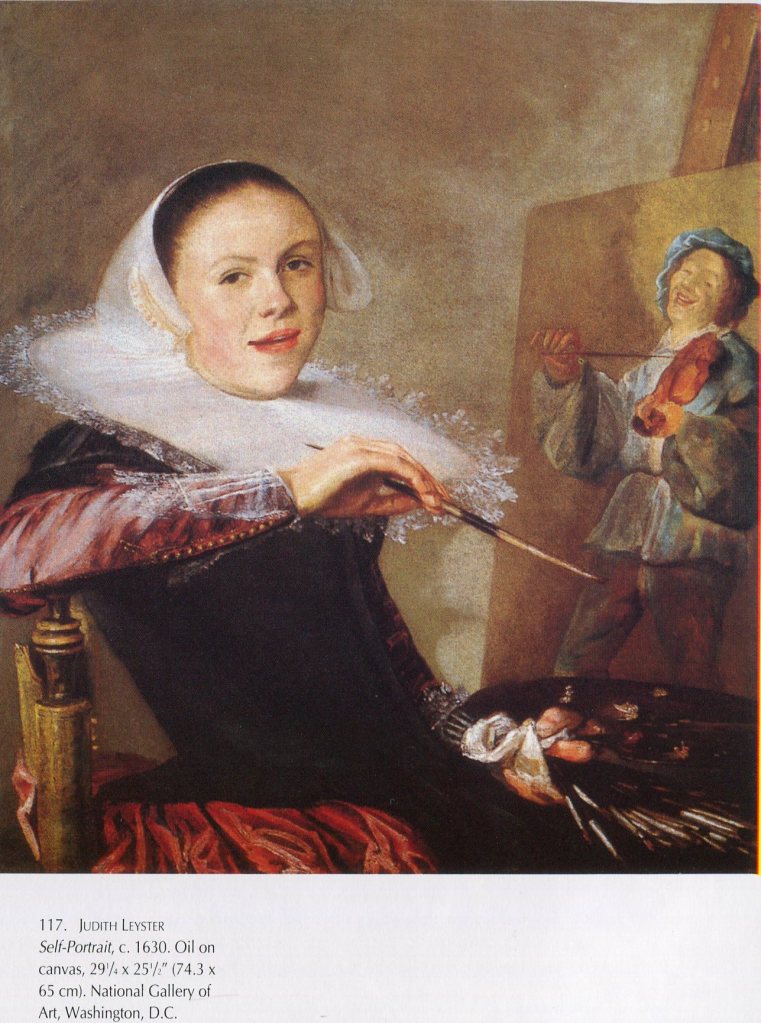
The 14th century artist Cennino Cennini recommended using “the chicken bones that you will find under the dining table” for making charcoaled bone black to paint with. His treatise, The Artists’ handbook, gives us an understanding of some of the surprising materials which any artist had to master before he could begin to paint, such as the tail of a squirrel to make his paintbrushes. But many of these materials were difficult to use and have an effect on the finished look of paintings from the centuries before industrial processes changed the artist’s world. This lecture will explain the techniques and the reasons for some of the features of 15th and 16th century paintings which may seem odd to our modern eyes. I will bring examples of the materials mentioned in the talk to pass round and discuss with participants.
By Chantal Brotherton-Ratcliffe
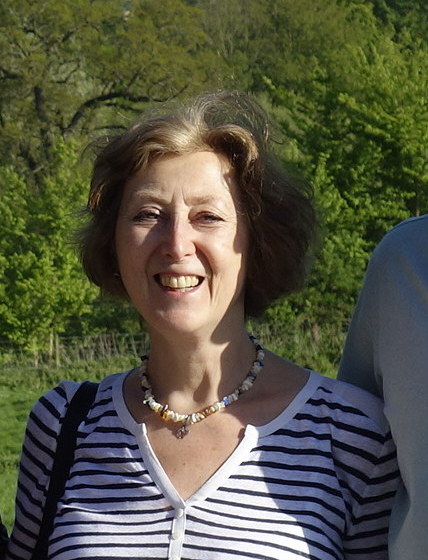
MA in History of Art from Edinburgh, PhD from the Warburg Institute, London University. With 40 years’ experience as a lecturer, Chantal has taught at Sotheby’s Institute of Art on the MA in Fine and Decorative Arts since 1989, and as a freelance lecturer for a number of societies and institutions in London, including the National Gallery and the Wallace Collection. Having also trained as a paintings conservator, she brings an understanding of the making and the physical painting to her lectures and study sessions.
Thursday 7th December 2023
JACOB VAN RUISDAEL, MASTER OF LANDSCAPE
One of the most important contributions that Dutch 17th century artists made to art is the development of the landscape. Edward Norgate, an English visitor to Holland in the 17 century wrote landscape is a word borrowed by us from the Dutch, fittingly enough because landscapes is their own child. Jacob van Ruisdael is considered the greatest 17th century Dutch landscape artist. He looked at his contemporary environment but he also used his imagination to create dramatic scenes producing some of the most astounding landscape art works ever produced. His work influenced later artists. ‘It haunts my mind and clings to my heart’ wrote the English landscape artist John Constable after viewing a work by Jacob van Ruisdael.
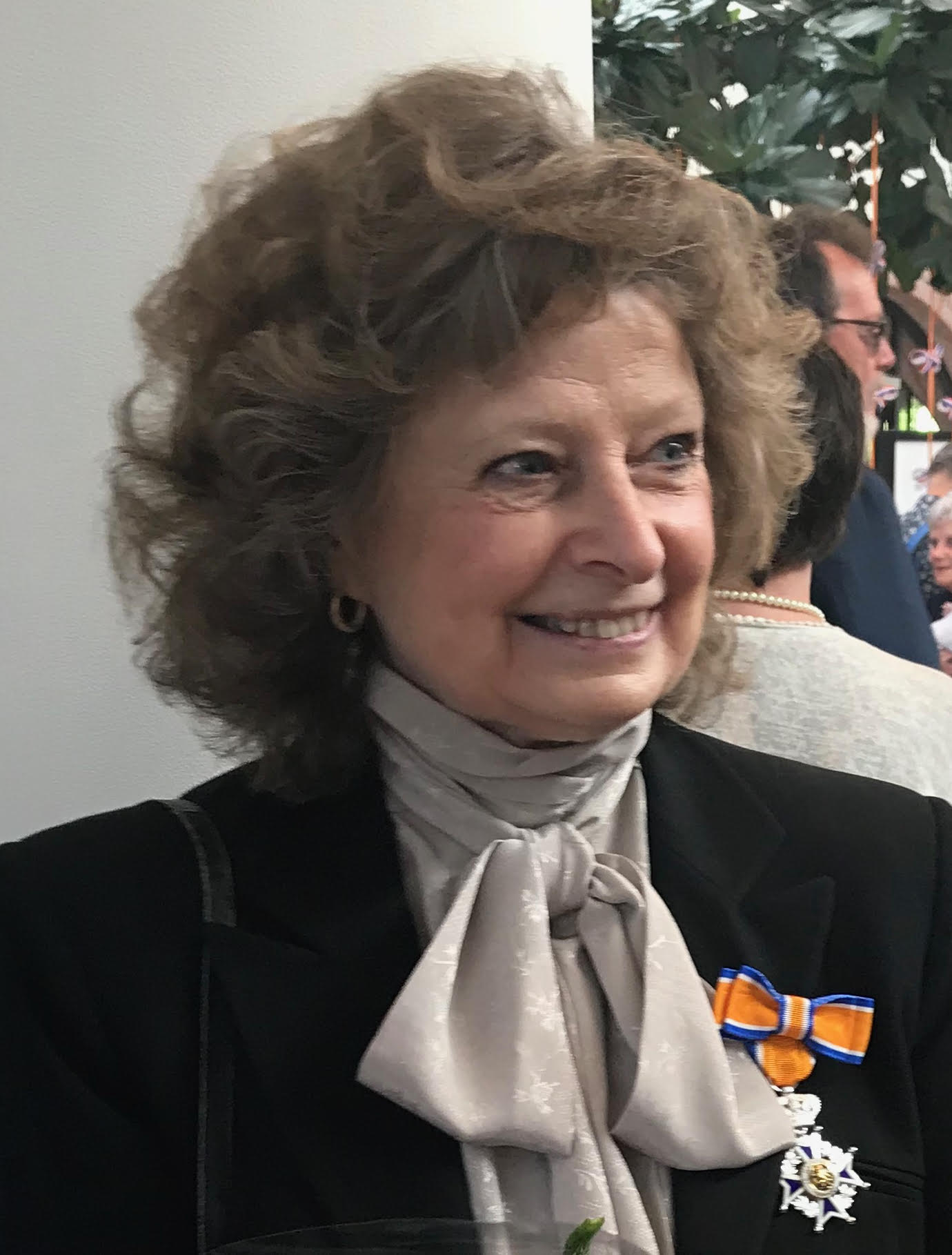
By Jane Choy-Thurlow
Jane E. Choy-Thurlow is a docent and enjoys giving lectures and tours at the Mauritshuis, Prince William V gallery and Huygens Museum Hofwijck in The Hague, The Netherlands. A few of the many exhibits in the Mauritshuis she has been part of are: the legendary Johannes Vermeer exhibit, Rembrandt by Himself and Holbein, Portraitist of the Renaissance.
Thursday 11th January 2024
CHARLES I, KING AND COLLECTOR
Charles I’s obsession for collecting works of art began when as a 22-year-old prince he travelled to Spain and saw the magnificent collection of the Spanish king, Philip IV.On becoming King in 1625 Charles purchased the fabulous collection of the Gonzaga Dukes of Mantua which included works by Titian, Raphael and Andrea Mantegna’s astonishing series of paintings “The Triumphs of Caesar”.Charles engaged Peter Paul Rubens to paint the ceiling of the Banqueting House in Whitehall and he appointed Anthony van Dyck as his Court Artist. Van Dyck’s iconic royal portraits created the enduring image of Charles 1st we remember today. By the end of his reign Charles had amassed over 2000 works of art but in doing so he had bankrupted England and alienated his people. Tragically as the collection expanded his political fortunes plummeted.
His life ended on the scaffold in 1649 and most of the collection was sold in what was known as “The Commonwealth Sale” in 1650. While many works were retrieved by Charles 2nd during the Restoration others now hang in the great Art Galleries of Europe.
By Barbara Askew
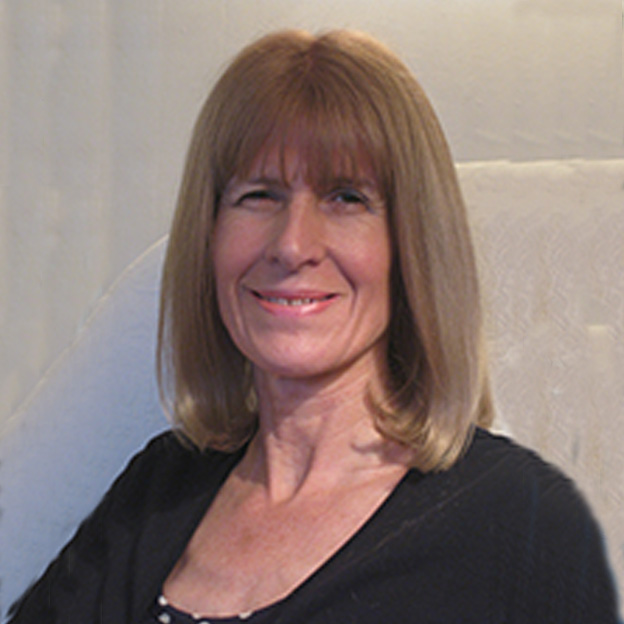
Historian and London Blue Badge Guide since 1988. Lecturer, Examiner and Course Director on Blue Badge Guide Training Courses and an acknowledged expert on Royalty and Windsor Castle. The only Blue Badge Guide accredited to guide the Albert Memorial.
Thursday 8th February 2024
JEAN DUNAND: ART DECO LACQUER

Jean Dunand, a Swiss-born craftsman in France, created a chic modernist side to Art Deco. His decorative lacquered panels celebrate the Jazz Age from their angular motifs to their portraits of beautiful women such as Josephine Baker. Over 20 coats of laquer must be applied without a single flaw. Gold leaf and vermillion between layers offered polychrome design. His lacquer work also embellished Ruhlmann’s designer furniture. Dunand’s most ambitious project was the large series of murals for the Fumoir of the cruise liner Normandie.
By Deborah Jenner

Deborah Jenner is an American-born art historian; member of College Arts Association. Residing in Paris since 1990, she has worked at the Ecole du Louvre, the Sorbonne, the Catholic Institute and the British Council. Her Doctorate thesis proved non-western influences in Georgia O’Keeffe’s art. Her publications include catalogue essays for Musée d’Orsay (New York City et l’Art modern) and Centre Pompidou (Les Traces du Sacré), scholarly papers with the research laboratory S.A.R.I. and Gallery critiques in ArtAsiaPacific, and PerformArts: Artvisuel-Artvivant. She gives public talks, guided walks and museum tours for ex-pat organisations and study-abroad programs and volunteers as an Al Gore Climate leader and JCF Round Table coordinator.
Thursday 14th March 2024
THE GRAND TOUR

The “Grand Tour” is probably one of the most essential institutions of the British 18th century, from the cultural point of view. It will be approached from a variety of angles: material and organisation, itineraries and variations, objectives and enrichments, things to be acquired and brought back home, memories and influences …
By Christian Monjou
Research professor at Oxford, former laureate of the Besse Foundation, Christian Monjou is a specialist in Anglo-Saxon civilisations. He was for a long time professeur de chaire supérieure en khâgne at the Lycée Henri IV in Paris and lecturer at the École Normale Supérieure in the Rue d’Ulm.
Thursday 25th April 2024
“AT HOME EVERYWHERE AND NOWHERE”: TRAVELLING WITH JOHN SINGER-SARGENT

In childhood and throughout his life, Sargent was described as being ‘at home everywhere and nowhere.’ Born in Florence to itinerant American parents, he adopted a frenetic pattern of international travel throughout his life. The range and duration of his travels are truly staggering. Renowned as a society portraitist, in 1909 his dramatic decision to refuse further commissions provided a new found freedom. Sargent also indulged his fascination for all things ‘curious’ – a favourite word. Accommodation was variable – ranging from the White House in Washington DC to a tent in the mountains.
We will explore his ability to capture a sense of place – the atmosphere, light, colours and textures of a land or seascape – with an intimately personal and often unusual interpretation. Whether it be luscious pomegranates in a Spanish orchard, brilliant hues of poppies in the Cotswolds, silver light on glistening fish in Norway, jewel-like reflections on water in Venice or Lake Garda, or the intense sunlight and heat of Morocco and the desert. And his most daring journey of all, in 1918 age 62, as a war artist travelling to the war torn trenches in France.
Many of the works shown will include examples from private collections around the world and correspondence and photographs from friends, family and travelling companions.
By Mary Alexander
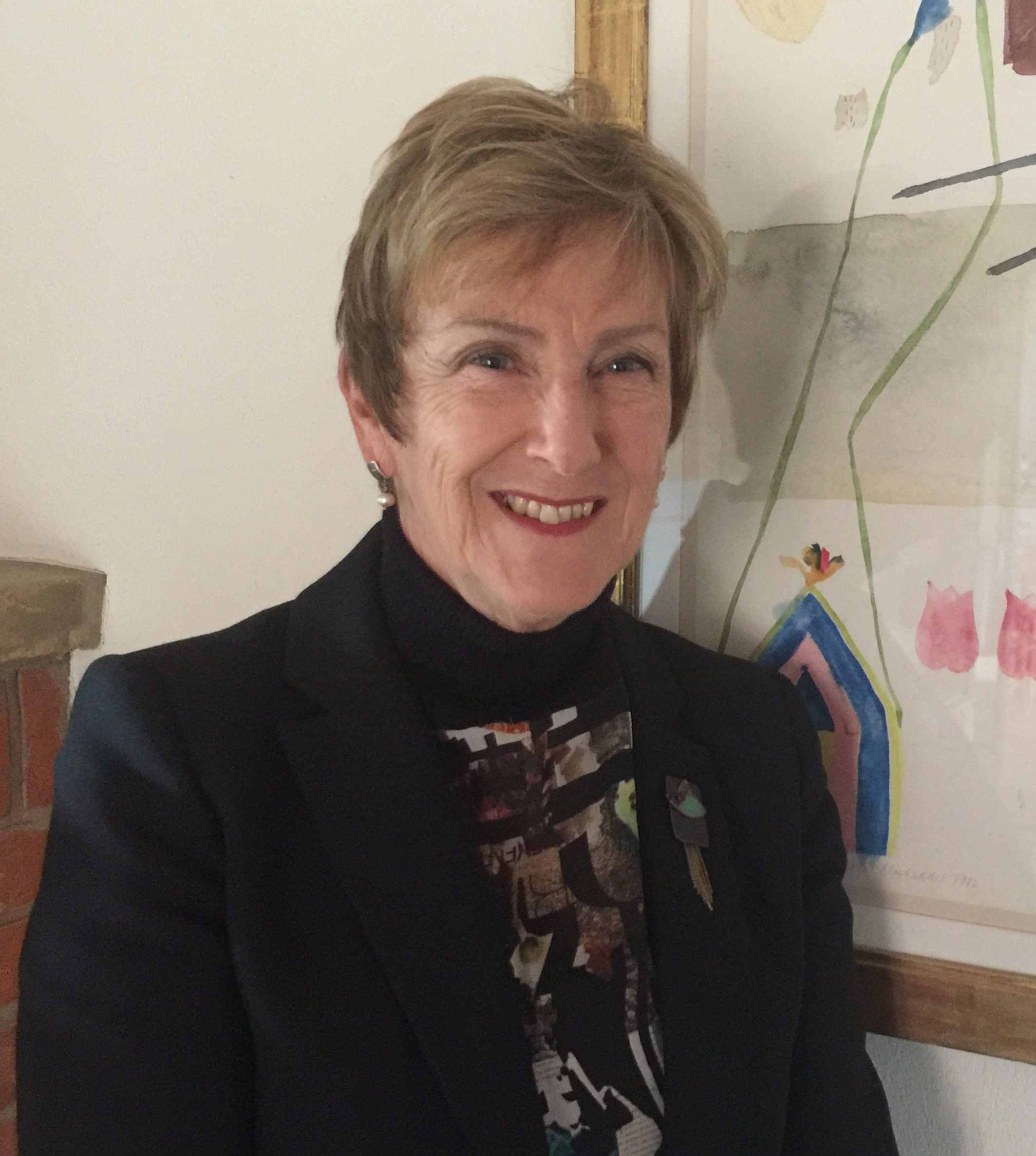
Mary Alexander trained as an art historian and graduated with a B.A. Hons. in History & History of Art (University College London) and later an M.A. (with Distinction) in History of Art (University College London).
She moved to Manchester to take up the post of Assistant Curator at Platt Hall, the Gallery of English Costume, a renowned collection of historic dress. Subsequently she lectured in art history at the University of Leeds, the Open University and Manchester University Extra Mural Department. From 1995 – 2008, she was a Visiting Lecturer at Christie’s Education in London.
Mary has also combined academic work with the world of design consultancy. In 1985 she joined Pentagram Design in London, a leading international design consultancy, and coordinated client presentations, publications, conferences and international special events, including the 1986 British Design event in Aspen Colorado. In 1988 she transferred to Pentagram’s New York office with the task of organising an international design conference held at Stanford University involving business, design and education leaders.
Thursday 16th May 2024
THE ATHLETIC AESTHETIC
From July to September 2024 Paris will host the Olympic and Paralympic Games. But whilst most onlookers will focus on sport, art and design will also play a part, as they have since the games began at Olympia nearly three thousand years ago. Greek art is replete with representations of athletes on vases, plates and bronzes. Every four years modern day hosts unveil dazzling new architecture, in the form of stadia, arenas, velodromes and swimming pools. The athletes themselves act as torch bearers for ever changing ideals of physical perfection. From nudity to Nike, from sand to synthetics, the Olympic story offers art lovers pure gold.
By Simon Inglis
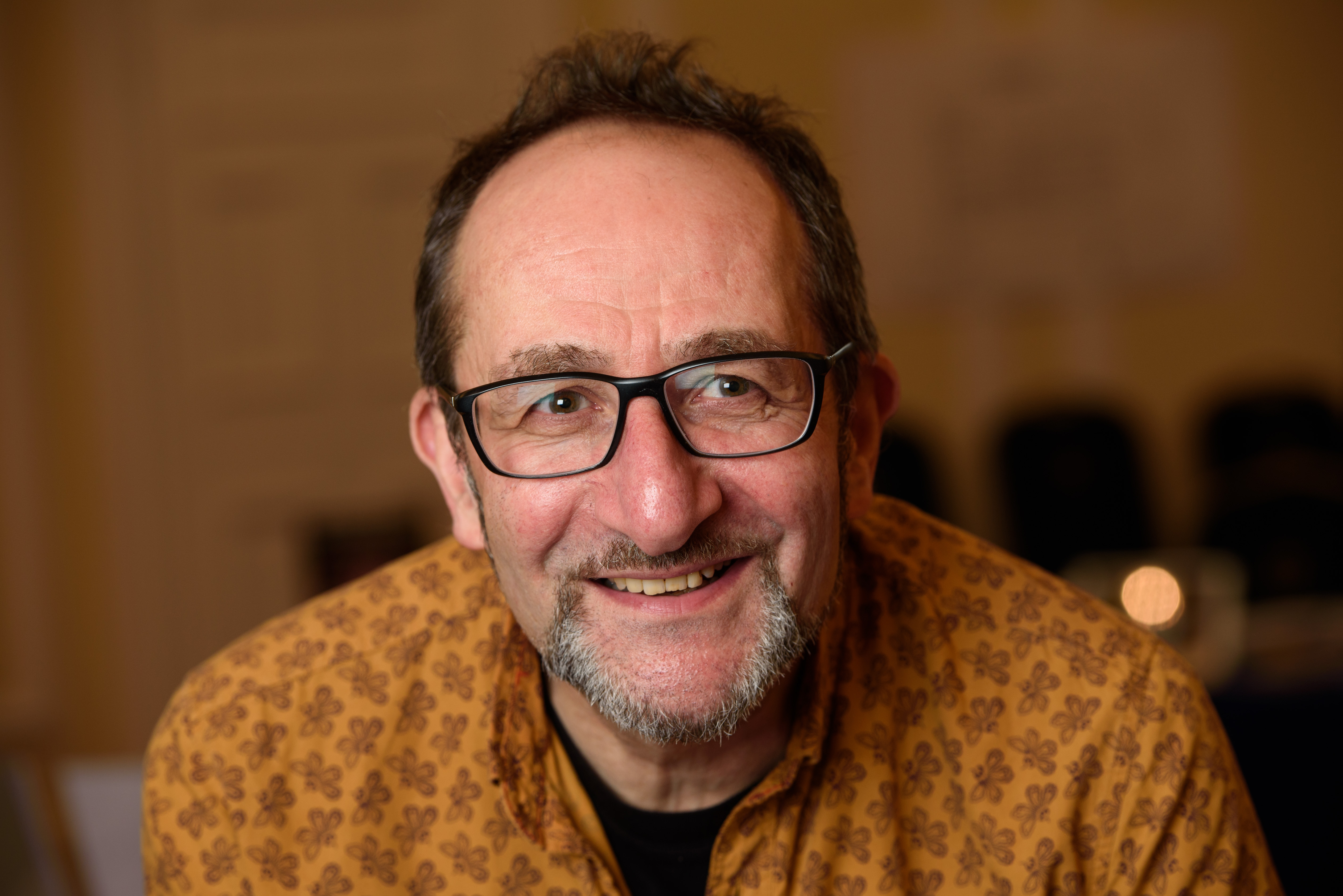
Writer and historian Simon Inglis specialises in the architecture and heritage of sport and recreation. Since 2004 he has edited the Played in Britain series for English Heritage. Although sport and recreation might seem an unlikely subject for The Arts Society, non-sporty types need have no fear. Simon’s themes are architecture, design, heritage and popular culture. After a history degree at University College London, he freelanced for various publications, including the Guardian, Observer and Radio Times. He has curated exhibitions for the Building Centre and the British Council, been a regular contributor to radio and television, has travelled and lectured extensively, and written a number of books. Two were shortlisted for the William Hill Sports Book of the Year, while another, on British football grounds, was chosen by journalist Frank Keating as the best sports book of the 20th century. A recent highpoint in his work for English Heritage was the listing of a 1970s skatepark in Essex, a world first that made the 10 o’clock news.
Click here to see last session’s lectures.
 PADFAS