PADFAS – The Arts Society Paris Programme 2026-2027
These illustrated lectures are delivered in English by leading European speakers, all experts in their fields.
All lectures start at 14:00 CET unless otherwise stated.
Lectures are held at:
Théâtre du Ranelagh
5 Rue des Vignes
75016 Paris
Reduced mobility entrance at 2 bis rue des Maronniers.
Metro: La Muette | RER C: Boulainvilliers | Bus: 52, 22
Guests are welcome to attend these lectures. The lectures are free to members of PADFAS and to members of The Arts Society.
Other guests may attend for a fee of 20€: contact paris@theartssociety.org for details.
You can pick up a paper copy of the programme at the AGM or at any lecture.
Thursday 8th October 2026
14:00 ANNUAL GENERAL MEETING
The convocation to the AGM will be sent individually to members.
14:30 Images of the British Empire
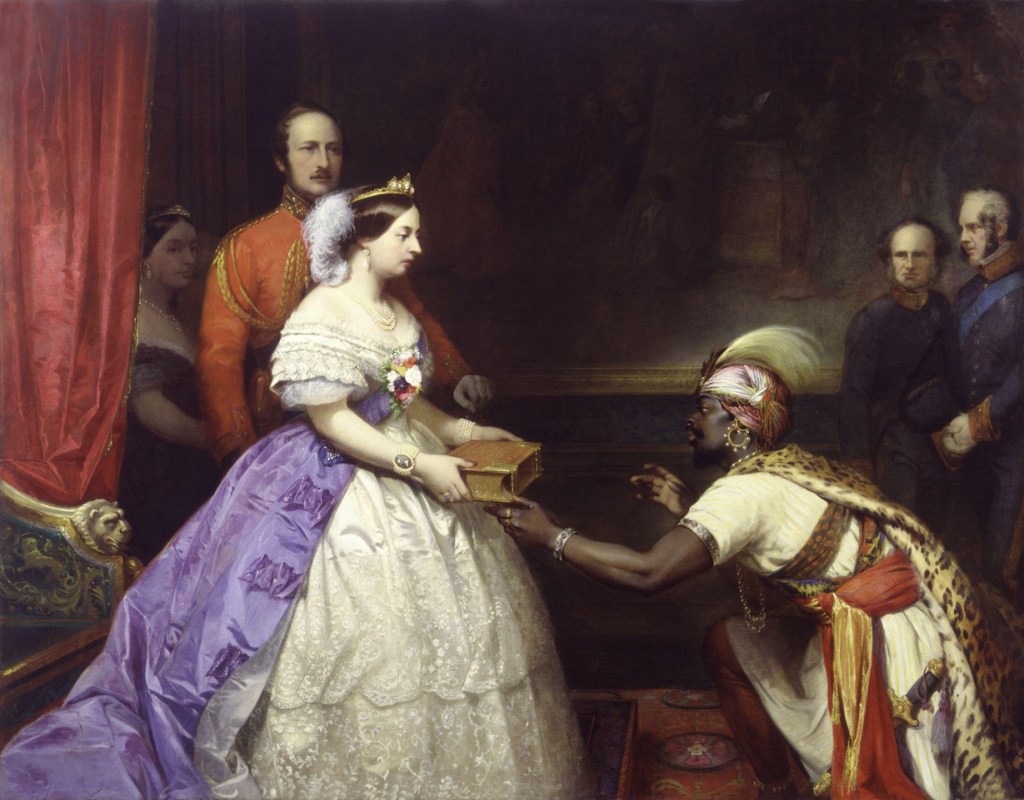
British imperial power was projected through a variety of artistic mediums, from fine portraiture and grand imperial buildings to more popular forms of imagery. British artists also produced countless images of people from all over the globe who had become subjects of British rule. Through considering a variety of paintings, buildings and objects from across the Empire, this lecture provides a fascinating insight into the ways in which the British viewed themselves and their imperial subjects.
by Dr. John Stevens
Dr John Stevens is head of the London Bangla Academy, an online school that teaches the Bengali language to students across the world. He gained his PhD in History from UCL, before going on to teach British Imperial History, Indian History and Bengali Language at SOAS, University of London. His biography of the Indian guru Keshab Chandra Sen – Keshab: Bengal’s Forgotten Prophet – was published by Hurst and Oxford University Press. He is a regular visitor to India and Bangladesh and has lectured at numerous Indian universities. He also works as a consultant on Indian affairs. He has appeared many times in the Indian media, and was a guest on BBC Radio Four’s In Our Time, discussing the poet and artist Rabindranath Tagore.
Thursday 19th November 2026
Donatello: Renaissance Genius
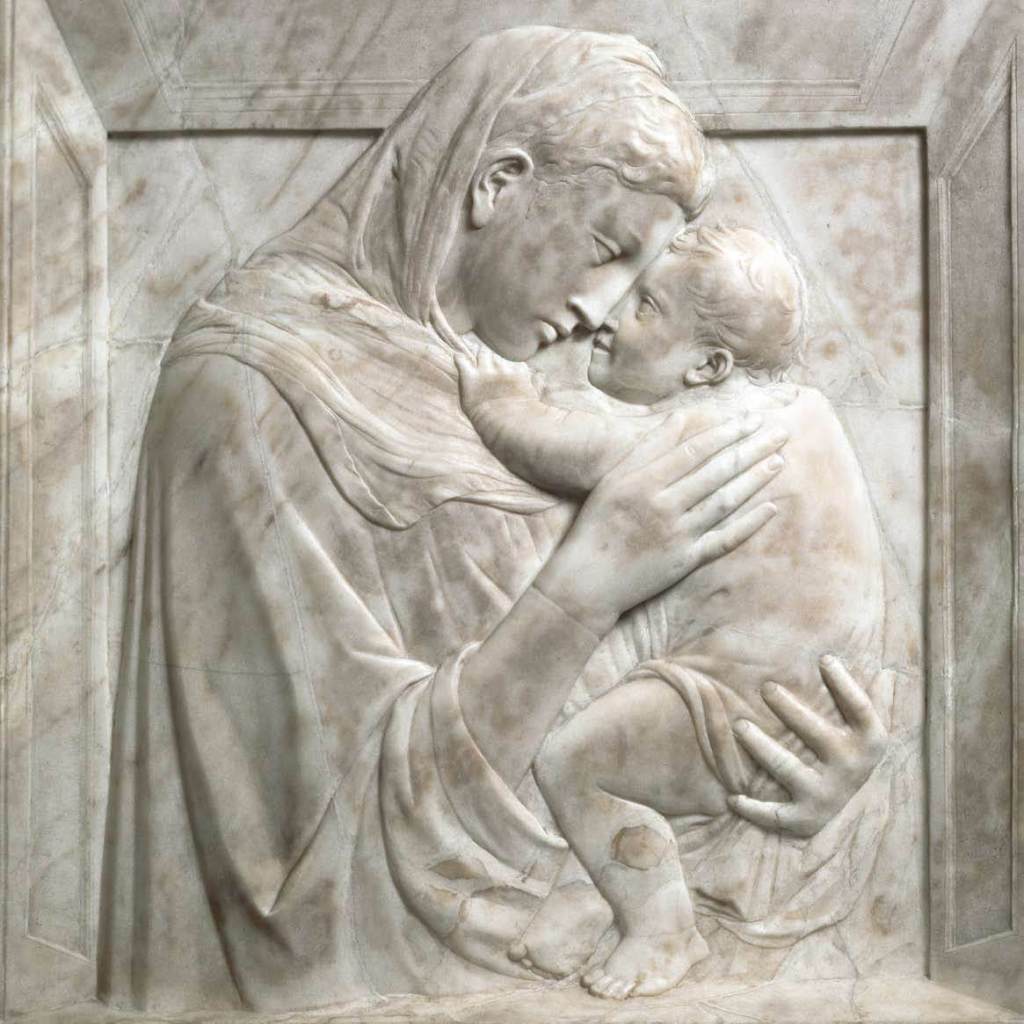
Donatello is one of the artistic giants of the Renaissance and has been called the greatest sculptor of all time. Outstandingly original and inventive, working in a range of media, he pioneered the new style that emerged in Florence around 1400, transforming the visual language (and the visual landscape) of his native city through a range of sculptures both public and private, including for the Medici. This lecture surveys his career, highlighting Donatello’s versatility and innovation in works made for patrons in Florence, Siena and Padua.
By Paula Nuttall
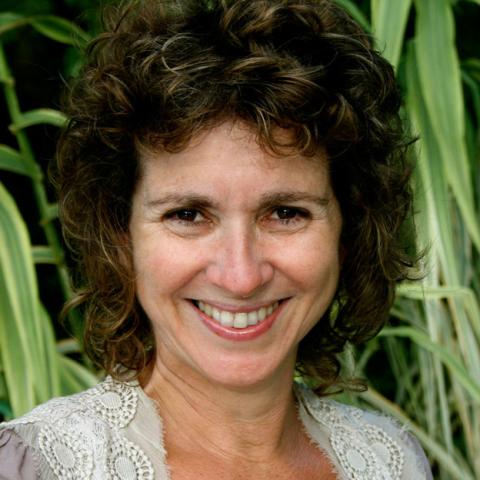
Specialist in Renaissance art, both Italian and northern European, on which she has published widely, notably From Flanders to Florence: the Impact of Netherlandish Painting 1400-1500 (Yale, 2004). Has collaborated on major exhibitions including Jan van Eyck: an Optical Revolution (Ghent, 2020). Before retiring in 2023 Paula was Director of the V&A Medieval and Renaissance Year Course, and has taught at – among others – the Courtauld Institute and the British Institute of Florence. She now focuses on the Arts Society, her own online courses, and research.
Thursday 10th December 2026
Barbara Hepworth: From Yorkshire to the United Nations
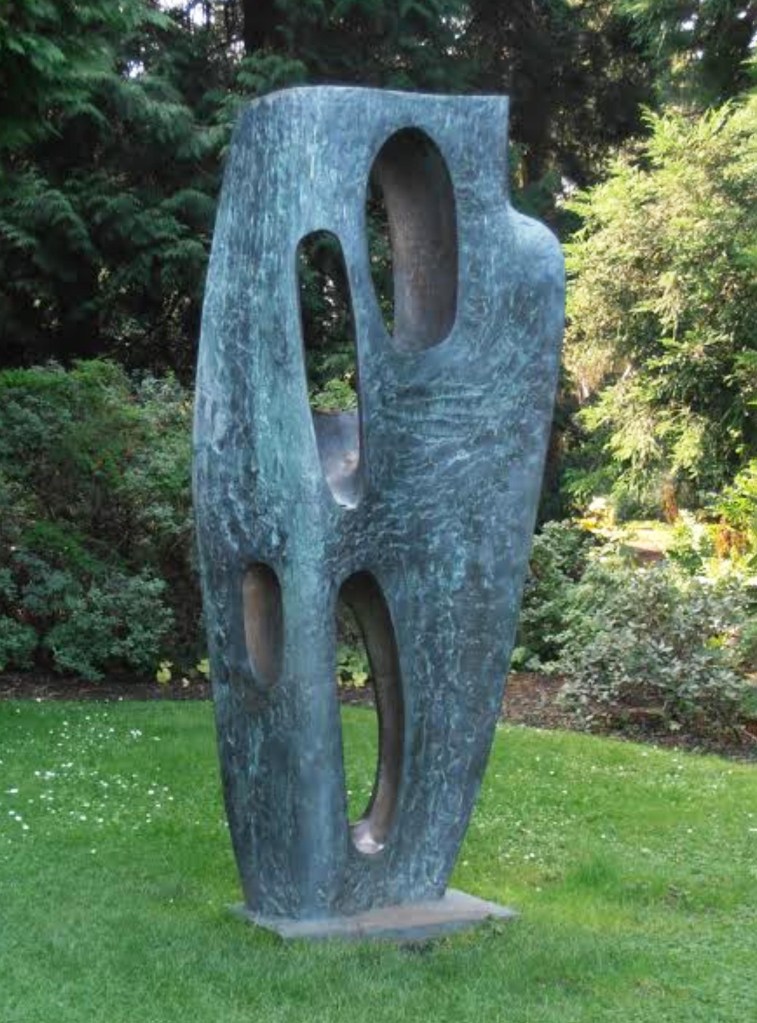
The lecture explores Hepworth’s artistic influences and her commitment to abstraction, showing how landscape, family life and place profoundly shaped her sculpture. It examines key works in stone, plaster and bronze, situating them within the contexts of modernism and post-war Britain.
Particular attention is given to Hepworth’s role as a pioneering woman artist and to her enduring relationship with her adopted home of St Ives. The talk also considers her major public commissions of the 1950s and 60s, culminating in her monumental sculpture for the United Nations in New York. Finally, it reflects on Hepworth’s continuing influence on contemporary art today.
By Ian Giles
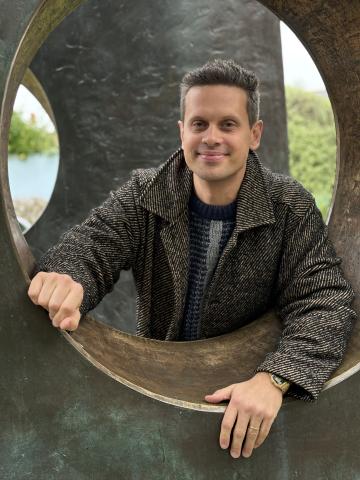
Ian Giles studied at the Slade School of Fine Art and is a practising artist. His artworks and films have been shown internationally, including at MoMA PS1 (New York), the Stedelijk Museum (Amsterdam), and the Whitechapel Gallery (London).
He has been a visiting lecturer at Chelsea College of Arts, Cambridge School of Art, Camberwell College of Arts, Birmingham School of Art and the University of Cambridge, Department of Architecture.
His work has been supported by Arts Council England, Art Fund, The Jerwood Foundation, and the Arts and Humanities Research Council. Recent press coverage includes features and reviews in The Guardian, Frieze, Artforum, and on BBC radio and television.
In 2026 he will present exhibitions and projects at Queer Britain, Southampton City Art Gallery and Norwich Castle Museum and Art Gallery
Thursday 14th January 2027
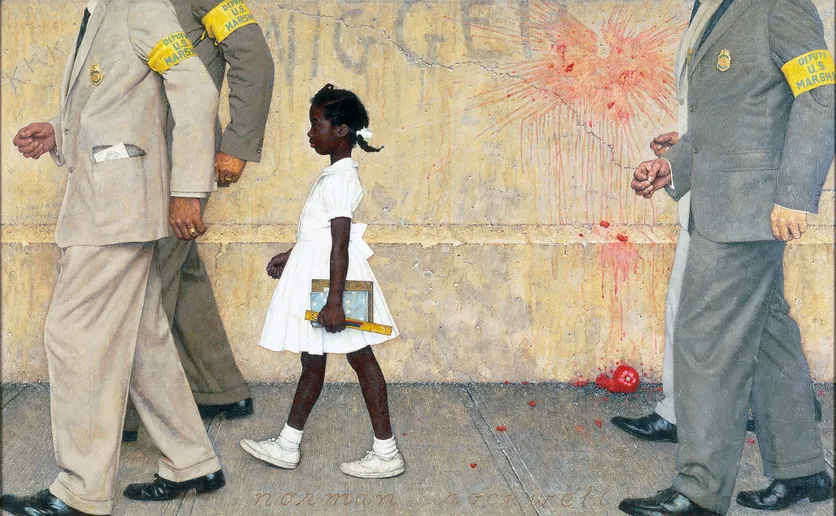
Norman Rockwell and George Tooker: American Dreams and Nightmares
The contribution of the BLOOMSBURY Group to the modernist phase of English literature is well known, even if too often reduced to one name only, that of Virginai WOOLF.
The “art of BLOOMSBURY” was characterised by three aspects :
– A theoretical one, represented by Roger FRY and Clive BELL;
– what could be called “the CHARLESTON workshop” with three essential presences linked by complex relationships: Vanessa BELL, Duncan GRANT and Roger FRY;
– and finally its contribution to the field of Decorative Arts with the OMEGA WORKSHOPS.
By Christian Monjou

Research professor at Oxford, former laureate of the Besse Foundation, Christian Monjou is a specialist in Anglo-Saxon civilisations. He was for a long time professeur de chaire supérieure en khâgne at the Lycée Henri IV in Paris and lecturer at the École Normale Supérieure in the Rue d’Ulm.
Thursday 4th February 2027
Princess Louise: an Aesthetic sculptor locked away in the Royal Archives
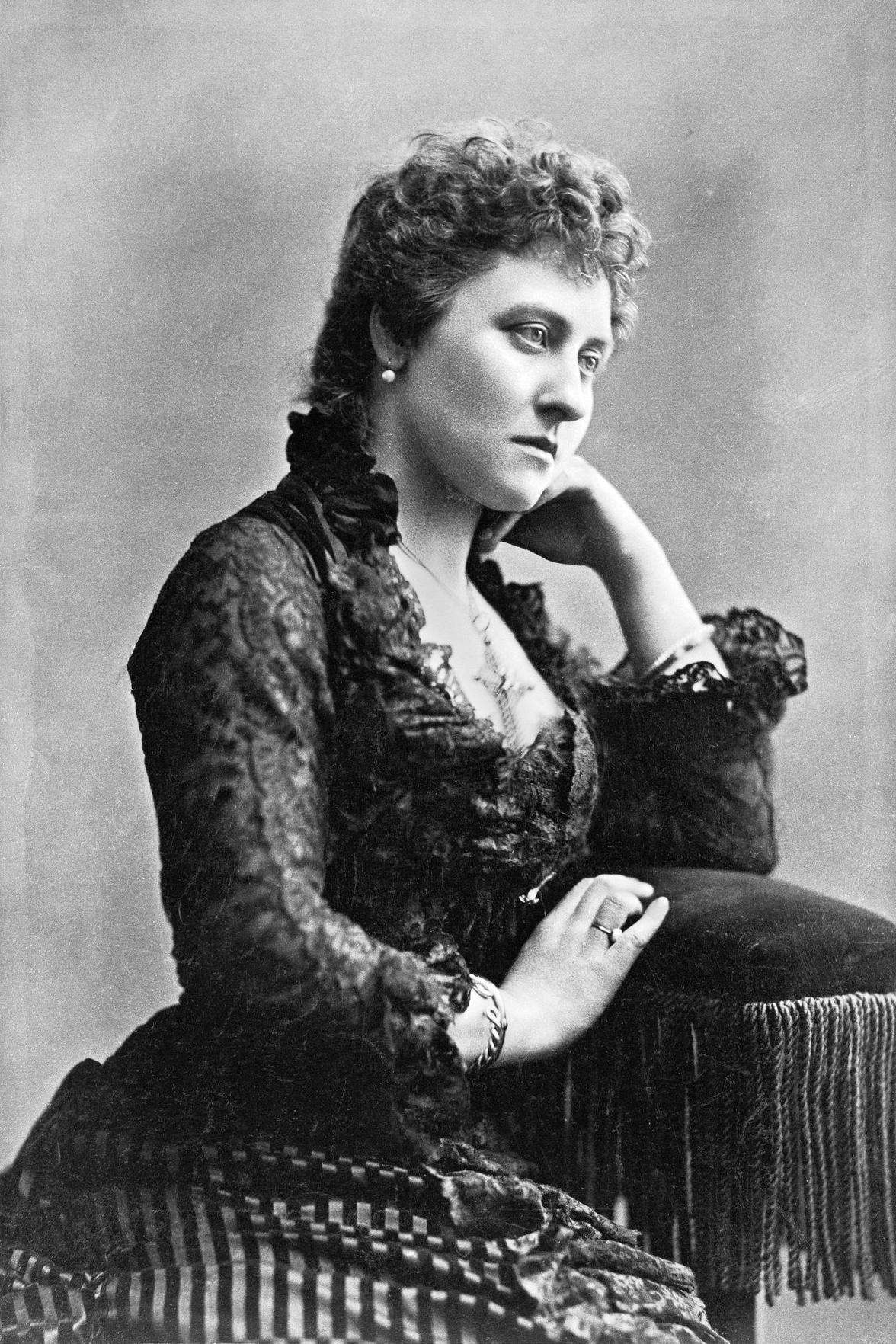
When researching my biographies of Lizzie Siddal and Kate Perugini, I kept coming across a mysterious princess, attending studio parties, helping fellow artists in times of need, and being linked with several scandals. I was amazed to discover Princess Louise was a daughter of Queen Victoria and Prince Albert, and a well-respected sculptor. Her life and legacy has been locked away in the Royal Archives ever since her death in 1939, but her work was stunning, and her life fascinating. Researching her biography was like being a detective, so I titled my book The Mystery of Princess Louise.
By Lucinda Hawksley
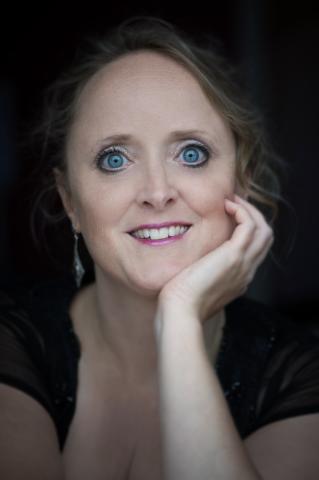
Lucinda Hawksley is an author, broadcaster, lecturer and award-winning travel writer, who has worked as an interviewee, consultant and presenter on TV and radio shows worldwide. She has written three biographies of female artists: Kate Perugini (née Dickens), Princess Louise and Lizzie Siddal. Her other books include, Victorian Christmas, Dickens and Travel, Letters of Great Women, Elizabeth Revealed, Dickens and Christmas, The Writer Abroad, Bitten by Witch Fever: Wallpaper and Arsenic in the Victorian Home, Charles Dickens and his Circle, Moustaches, Whiskers & Beards (Facial Hair in Art), and March, Women, March: Voices of the Women’s Movement.
Lucinda’s many TV credits include Miriam’s Dickensian Christmas, a show she created with the Dickens-loving actress Miriam Margolyes, Charles Dickens with Gyles Brandreth, World’s Greatest Paintings, A Very Country Christmas, Paul O’Grady’s Great British Escape, The Project, Landscape Artist of the Year, Queen Victoria and her Tragic Family, Cathedrals of Steam – Europe’s Most Famous Train Stations, Missing Masterpieces, Queen Victoria’s Children, Mrs Dickens’s Family Christmas, Dickens and Health, Find My Past: The Staplehurst Rail Crash, Charles Dickens’s Secret Lover and Charles Dickens and the Invention of Christmas.
Lucinda co-wrote and narrated The Real Sherlock, a six-part podcast series about Arthur Conan-Doyle, for Audible. She has also written and narrated, for Audible, the introductions for Our Mutual Friend and The Mystery of Edwin Drood. Her other voice-over work includes art gallery audio guides and a children’s audio guide to Stonehenge. She is a great great great granddaughter of Charles and Catherine Dickens, and a Patron of the Charles Dickens Museum in London; she is also a Patron of the De Morgan Foundation. In 2024 she became the President of the International Dickens Fellowship.
Thursday 4th March 2027
Tudor Art: A New Story
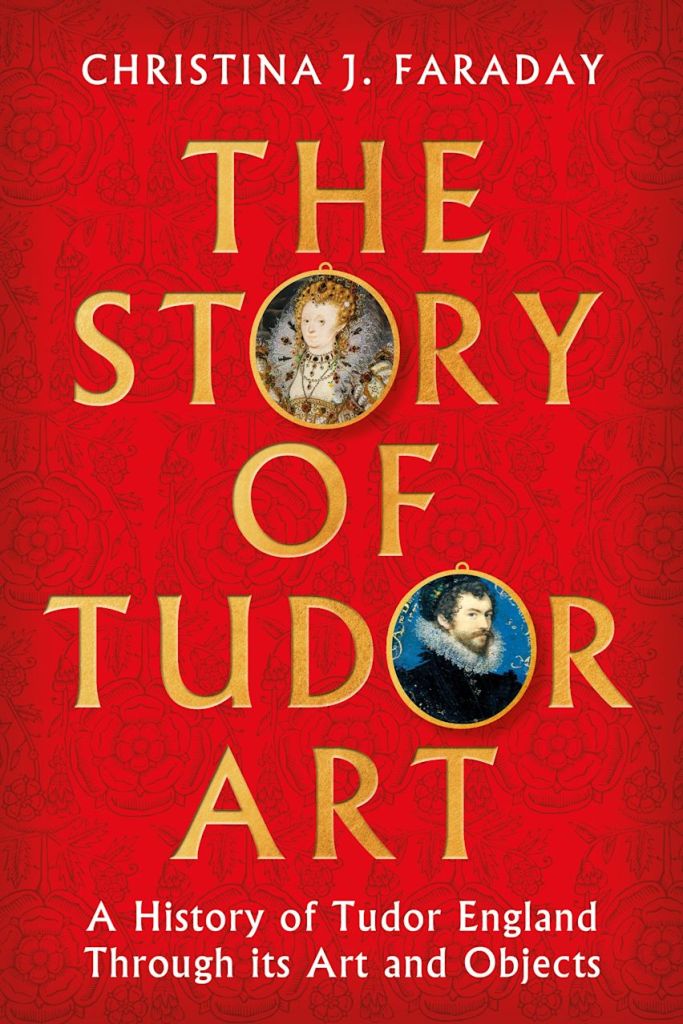
Despite the fame of Holbein’s portraits, art might not be the first thing that comes to mind when we think of the Tudors. Yet from Henry VII onwards, the Tudor dynasty made unprecedented use of images and objects to promote their rule. We’ll uncover the rich variety of painting, architecture, tapestry and other decorative objects that surrounded English viewers in the 16th century, putting these artworks into their religious, political, social and artistic contexts.
We’ll consider issues such as the extent of Renaissance influences at the court of Henry VIII, the revival of medieval and neo-chivalric themes under Elizabeth I, and the lesser-known artistic atmosphere during the reigns of Henry VII, Edward VI and Mary I. In the study day, we will discuss each reign in more detail, exploring the different uses made by art in successive regimes, discussing artistic trends, social transformation and global exchange.
This lecture / study day builds on my book, The Story of Tudor Art, a Times and Sunday Times Book of the Year, published in September 2025.
By Dr. Christina Faraday
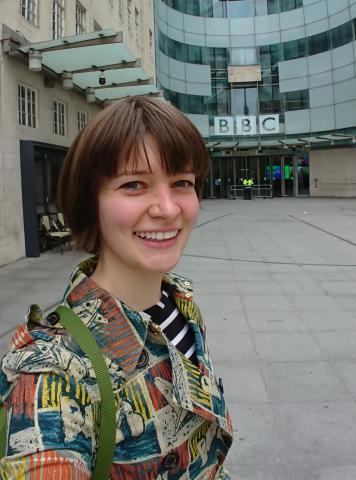
Dr Christina Faraday FSA FRHistS is a historian of art and ideas, specialising in Tudor and Stuart Britain and the wider 16th and 17th-century world. She is an Affiliated Lecturer in History of Art at the University of Cambridge, a Trustee of the Walpole Society for British art history, and a BBC New Generation Thinker, appearing regularly on BBC Radio 3 and in other popular media. She is the host of British Art Matters podcast, and from 2020-2025 she was a Research Fellow in History of Art at Gonville and Caius College, Cambridge. She is an experienced lecturer, teaching for the History of Art Department at the University of Cambridge, The Wallace Collection, the National Gallery, London, and for Professional and Continuing Education at Cambridge, where she is Co-Director of the MSt in History of Art and Visual Culture. Her first book, Tudor Liveliness: Vivid Art in Post-Reformation England, was published in 2023 by the Paul Mellon Centre and Yale University Press. Her latest book, The Story of Tudor Art, was published by Head of Zeus/Bloomsbury in September 2025 and was named a Times and Sunday Times Book of the Year.
Thursday 1st April 2027
Seaside Modern: Art and Life on the Beach
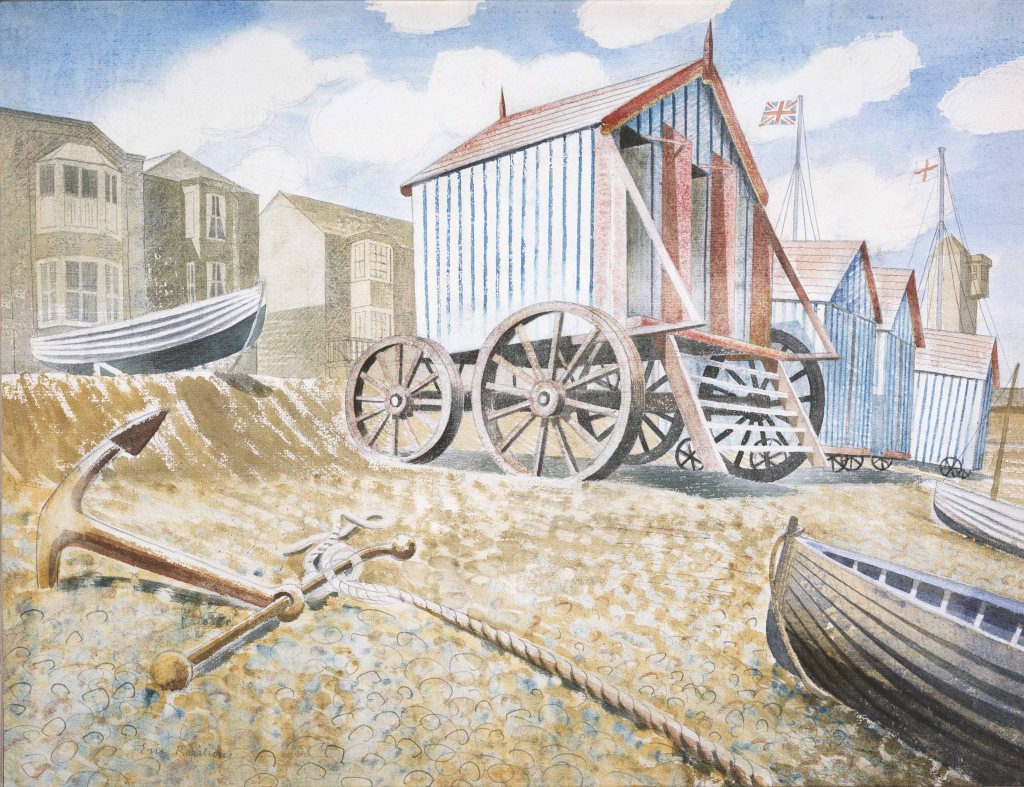
Take a trip to the seaside with the curator of the much-loved exhibition Seaside Modern (Hastings Contemporary 2021) in a lecture exploring the art and social history of the British beach.
During the first half of the 20th century something amazing happened to the beaches of Britain: they became glamourous. Men and women swapped fusty Victorian garments for daring swimsuits as 19th century prudery gave way to 20th century exhibitionism. The beach became a major source of inspiration for artists, not only those like the Newlyn painters whose focus was the human form, but also more experimental painters and sculptors. While Henry Moore and Barbara Hepworth responded to the sculptural qualities of objects found on the beach, Paul Nash and Eileen Agar revelled in the strangeness of the seashore. Seaside Modern is an exuberant, wide-ranging lecture that casts a fresh eye over a period of remarkable artistic and social change. Featuring paintings, sculpture and works on paper by the most famous artists of the period, as well as posters and archive photography, Seaside Modern makes an important contribution to our understanding of the period’s cultural and social history. The lecture is based on the exhibition of the same name I curated at Hastings Contemporary in 2021, and I touch on the sometimes fraught and occasionally hilarious business of curating exhibitions like this.
By James Russell
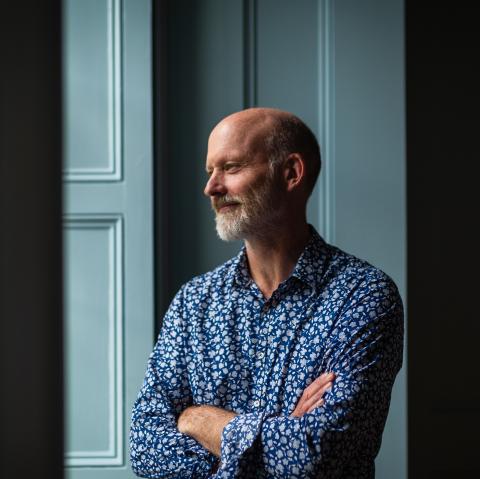
Having studied History at Pembroke College, Cambridge, James Russell enjoyed a lengthy stint selling contemporary paintings and sculpture in Santa Fe, New Mexico, an experience that inspired him to begin writing and lecturing on 20th century art. Of his dozen or so books, one was a Sunday Times book of the year, while his writing has been described by critics as ‘insightful’, ‘informative’ and ‘enjoyably readable’. James has curated major exhibitions at Dulwich Picture Gallery and for museums around the country. He bases his lectures on wide-ranging original research into the subjects that fascinate him.
Thursday 13th May 2027
Lord Fitzwilliam and his bequest to Cambridge
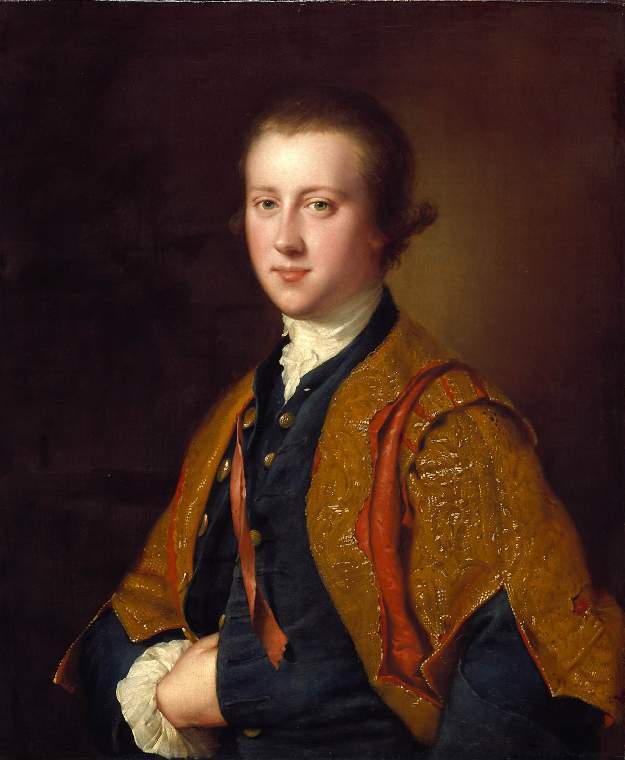
Joseph Wright of Derby (1734-1797), Fitzwilliam Museum, University of Cambridge
The Fitzwilliam Museum in Cambridge was founded on the death of Richard, 7th Viscount Fitzwilliam in 1816, five years after the Dulwich Picture Gallery and eight years before the National Gallery in London. His bequest included paintings, drawings, prints, medieval manuscripts and books and, in addition, a sum of money to build “a good substantial museum repository for the increase of learning”. Who was Lord Fitzwilliam? How did he acquire his extensive collection? What prompted him to leave it to the University of Cambridge and why was Napoleon partly responsible for the founding of one of the great regional museums? These, and many other questions, will be answered in a lecture that will also discuss some of the key works in Lord Fitzwilliam’s bequest.
By Sarah Burles
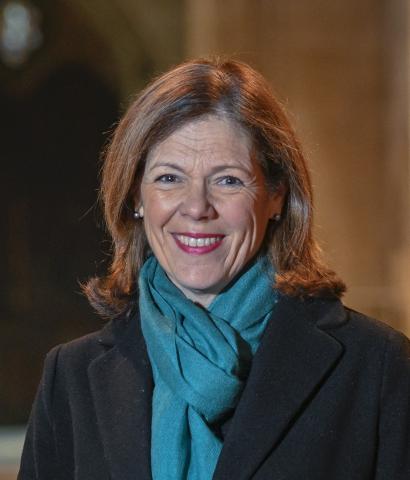
Sarah Burles studied History of Art at Cambridge University before doing a master’s degree at University College London. She went on to have a career in museum and gallery education, establishing new services in three different museums before working at the Fitzwilliam Museum for many years. Sarah is the founder of Cambridge Art Tours, which runs tours and courses in and around East Anglia, as well as online. She is a Tour Director for an award winning travel company and has led tours to Italy, France, Germany, Belgium and America. Sarah became an Arts Society accredited lecturer in 2021 and, since then, has given lectures and run study days for Arts Societies throughout the UK, as well as in Germany, Holland and New Zealand.
Click here to see last session’s lectures.

